Miracle and Shame: The two faces of Everest
Hillary Dawa should have been the face of a miracles story. Instead, the surviving wreck of a man crawling over the melting glacier to an empty camp was the ultimate symbol of its rot.
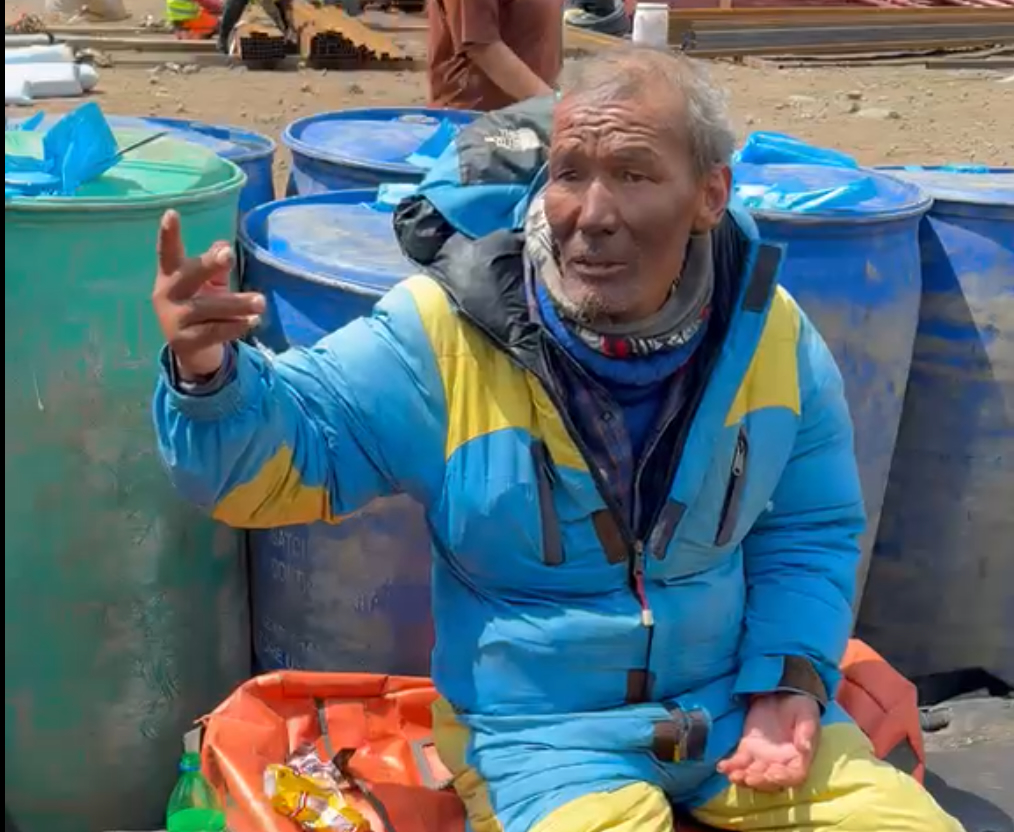
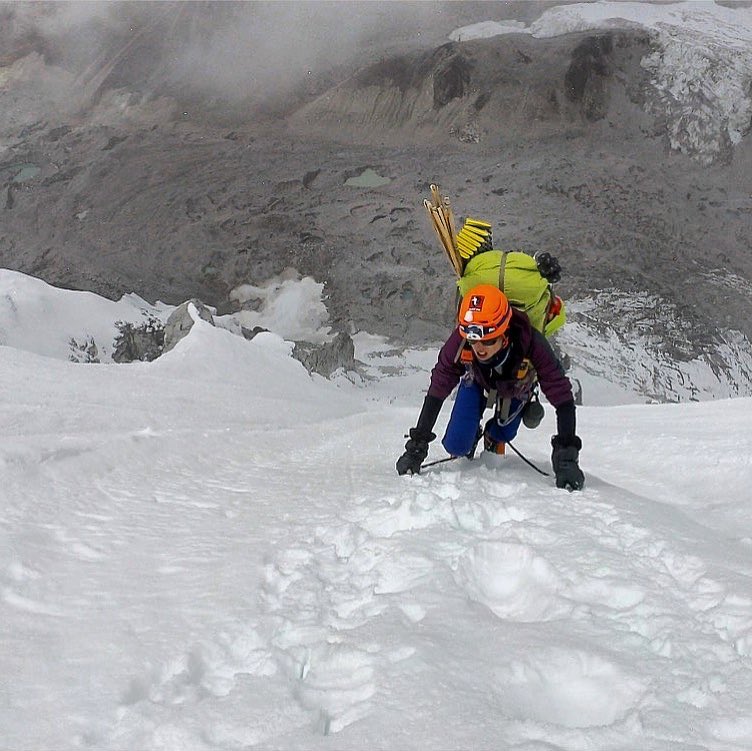
When expedition companies saw 57-year-old Dawa Sherpa (known on the mountain as “Hillary Dawa”) slowly sliding down the Khumbu Icefall after six days alone, they described it as a miracle. When his wife and daughter saw the same images, they had to ask for photos to be sure it was him—they were already on the second day of funeral rites.
The story of his survival, which captivated the global media, was never truly about luck. It was about a system that nearly let a man die because no one was willing to pay for his helicopter, and how, in the multi-million-dollar machine that Everest has become, some Sherpas have become insanely rich oligarchs while the poorest members of their own community are told they are nothing more than expendable labour.
Dawa disappeared on May 29 while descending from Camp III after failing to reach the summit with a Polish client who made it back safely. For six days, his family waited. During that time, the two companies involved—Himalayan Traverse Adventure Pvt. Ltd. and 8K Expeditions—remained paralyzed. The reason was as simple as it was grotesque. Dawa’s climbing permit was with 8K Expeditions, but he was physically working for a smaller company, Himalayan Traverse. This permit-sharing arrangement, which saves agencies the cost of hiring a liaison officer, created a perfect legal no-man's-land.
The cost of a proper helicopter search up to Camp III runs into tens of thousands of dollars. Neither agency was willing to bear the cost. An official of Department of Tourism stated bluntly to this scribe, the paperwork complications caused a "delay in the rescue process itself because rescues are expensive operations".
For almost five days, while Dawa lay freezing in one of the harshest places of the planet with no food or oxygen, his family was told nothing could be done. It was only after a global outcry and the Department of Tourism threatened to cancel the licenses of both agencies that a helicopter was finally scrambled.
Predictably, the moment Dawa miraculously staggered into frame near the Crampon Point, the corporate amnesia vanished. Lakpa Sherpa of 8K Expeditions immediately claimed to this scribe that his company bore the cost of the search and rescue flight with a member of Dawa's family and that he gave "financial help" to the family. A representative of Himalayan Traverse, which had notably failed to launch any search of its own, told this scribe that it had "asked the SPCC to leave a ladder just in case he returned".
But the damage was already done. The story had shifted from a rescue to a critique of the brutal class divide that now defines Nepali mountaineering.
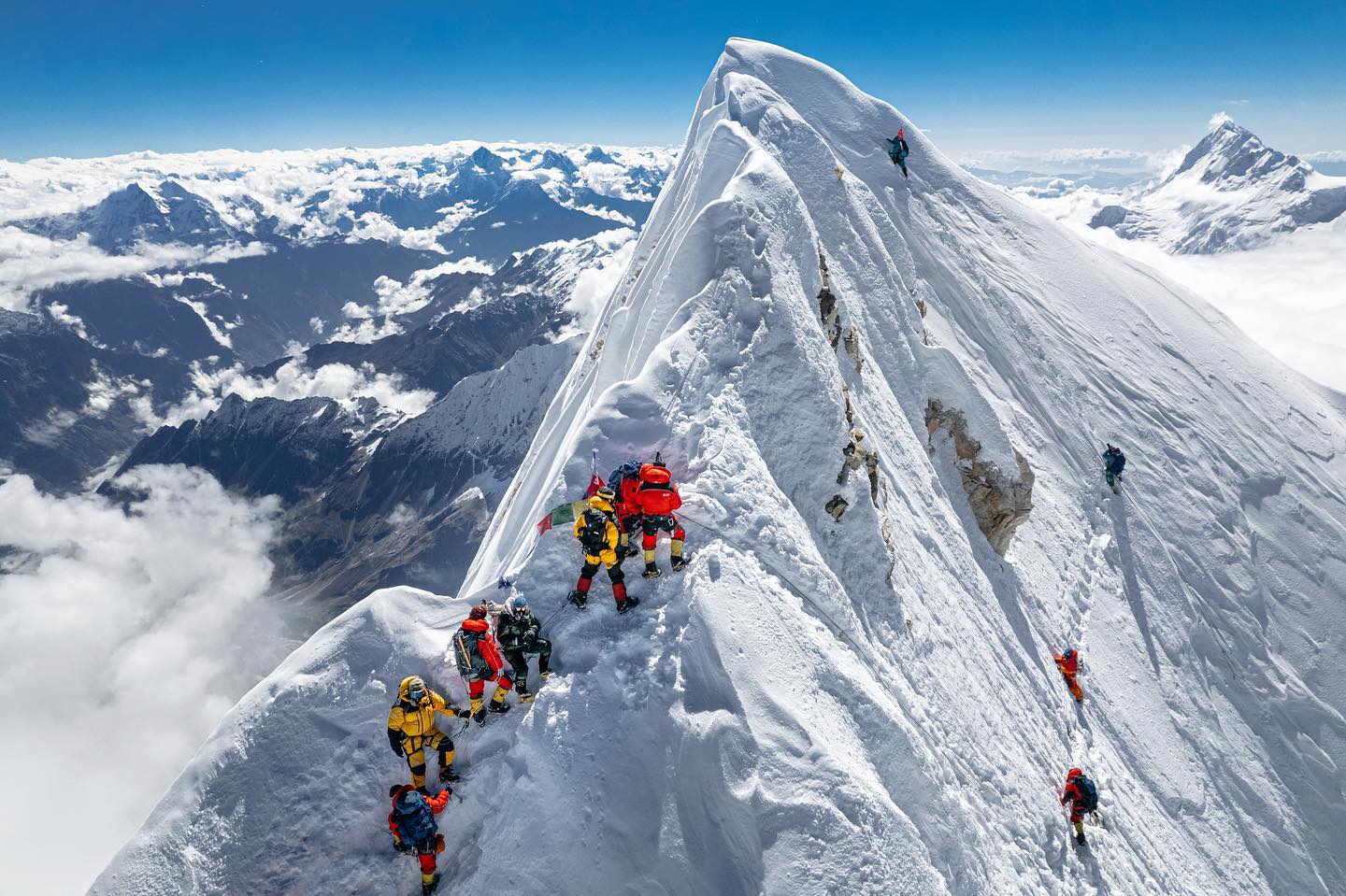
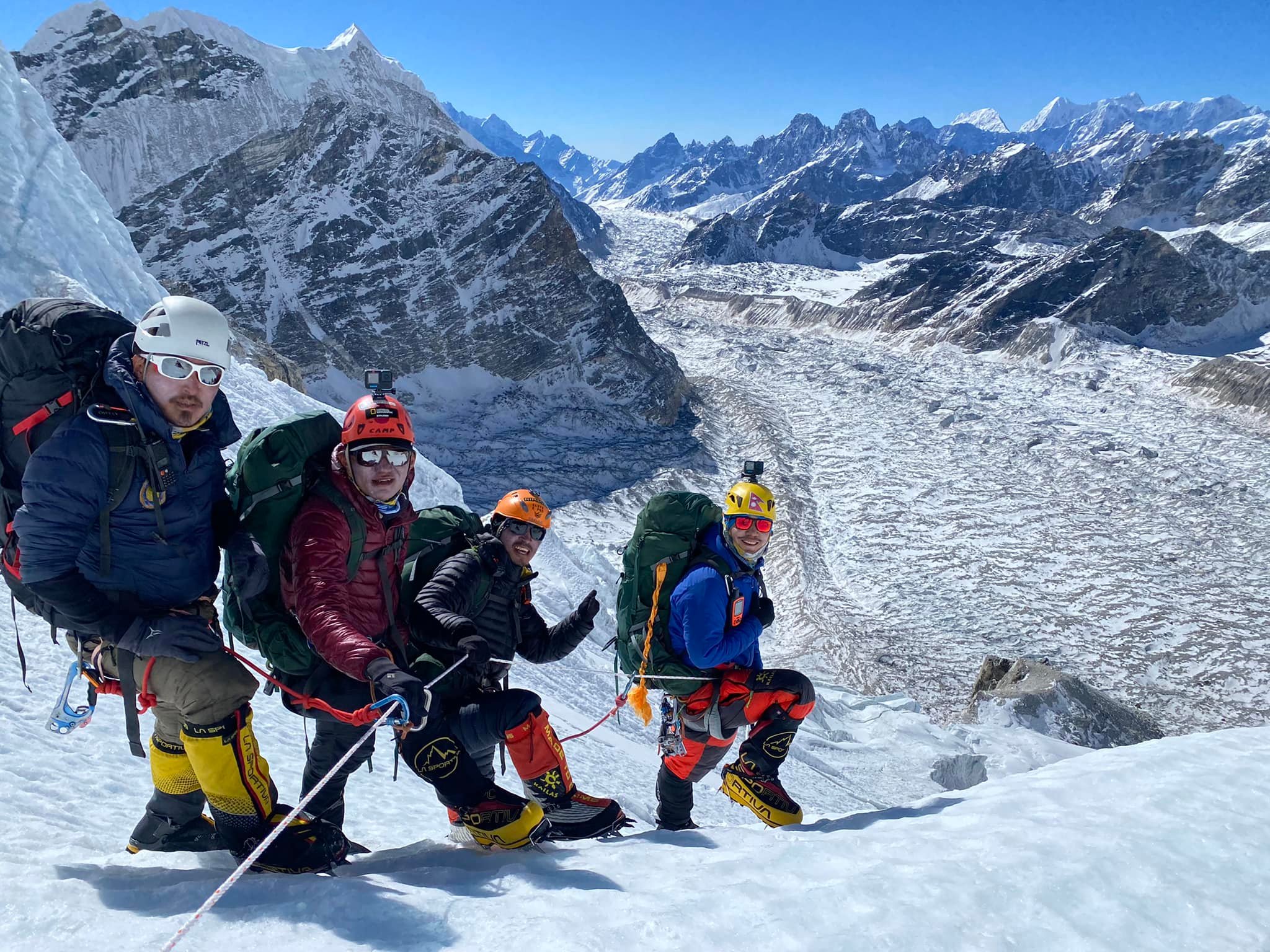
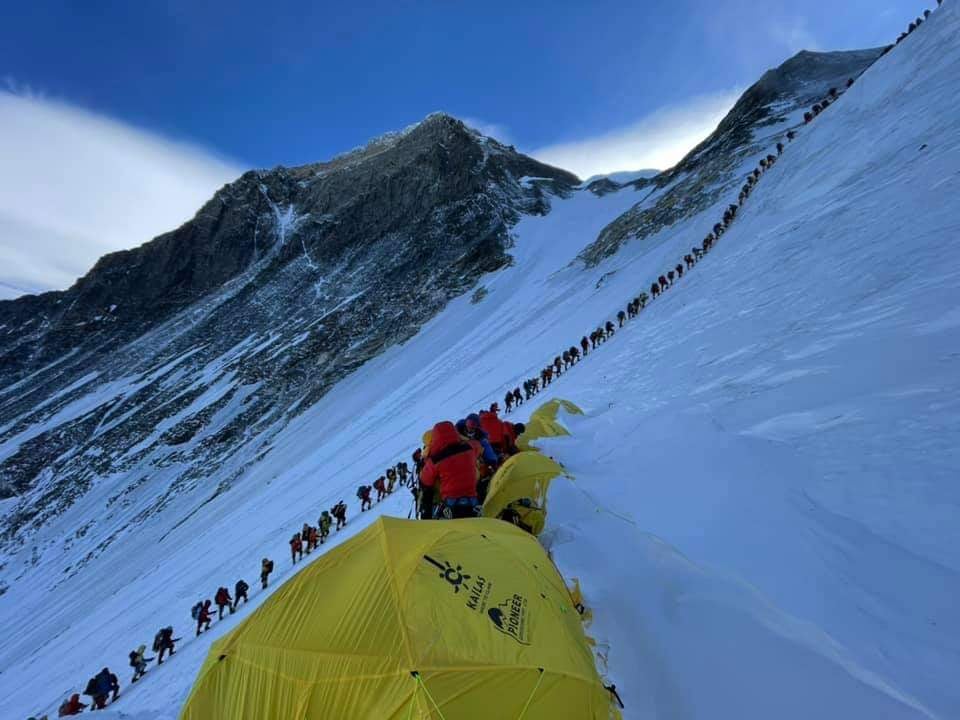
According to Khumbu’s commercial operators, Everest has become a $500 million industry. For the elite families who control the flow of international climbers, it has brought unimaginable wealth. But for foot soldiers like Dawa—who hails from Okhaldhunga, a district where the only alternative is subsistence farming—it is a form of debt bondage. In the frenzy to capitalize on the record-breaking traffic (a total of 1,009 climbers reached the summit this spring, according to the tourism department's preliminary data), the hierarchy is clear: the families who own the conglomerates act as de facto government, while the labourers-- most of them ethnic Sherpa-- risk death for a wage that is negligible compared to the cost of a search helicopter.
This ugly mix of internal prejudice and deepening class division was captured some years ago in a slightly older documentary by journalist Bidhya Chapagain (from the series Herne Katha). Chapagain’s film, which focuses on the harsh reality of mountain porters, records a porter from the lower Himalayas stating bitterly that the Sherpas of Khumbu treat them with a derogatory term: “Rongba”—a word meaning “lowlander” or “valley dweller”—used to denote someone who is racially or socially inferior. But the documentary also made clear that the real wound is not simply ethnic snobbery; it is the gaping rich-poor divide that now splits what was once a remarkably egalitarian people.
Yet to understand the full tragedy, one must also acknowledge what is being betrayed. The Sherpa ethnic group remains one of the most close-knit communities irrespective of region. Whether Sherpa of Khumbu, Makalu, or Rolwaling, their social structure and their Buddhism—likely reinforced by living in sparsely populated hill settlements—have historically promoted community help. It is a deeply democratic culture. For instance, in the old days, all children were named simply after the day they were born: all kids born on Friday are called Pasang; all born on Wednesday are called Lakpa. That egalitarian bond, where a name told you nothing about wealth or status, is now being torn apart by the very commercial forces that made Everest famous.
The parallels with another recent tragedy are impossible to ignore. A few years ago, on the savage slopes of K2, a Pakistani porter named Muhammad Hassan lay dying in the Bottleneck. As he hung from a rope, exhausted and collapsing, a stream of climbers passed him to reach the summit. Among them was the well-known Norwegian climber Kristin Harila and several highly experienced Sherpa guides. No one stopped. No one turned back. Hassan died. The global outcry was immediate and ferocious. Why was he left to die? The expedition agencies and climbing teams reached a chilling verdict: in the death zone, above 8,000 metres, the unwritten rule is every man for himself. To stop is to risk your own life. But that explanation crumbled under scrutiny. Because in a different season, on the equally treacherous slopes of Annapurna, an Indian climber and a Malaysian climber survived desperate situations precisely because Sherpas—working as rescuers, not as summiteers—risked everything to pull them down. Those rescues drew international accolades. The difference was simple: the Indian and Malaysian climbers were paying clients, their rescue costs covered, their lives deemed worth saving. Hassan was a porter. His life carried a price tag too low for anyone to honour. The same calculus nearly killed Hillary Dawa.
The "miracle" of Dawa Sherpa is, in fact, a mirror. It shows a world where the rich play with the lives of the poor, where the cost of a helicopter flight is weighed against the value of a human life, and where a week-long fight for survival is exploited by those who did nothing to save him. The only miracle is that Dawa crawled back to expose them.