Monsoon may bring less rain, not less risk to Nepal
ICIMOD forecasts below-normal rainfall across much of the country, raising concerns over drought and agriculture, while warning that intense downpours could still trigger deadly floods and landslides.
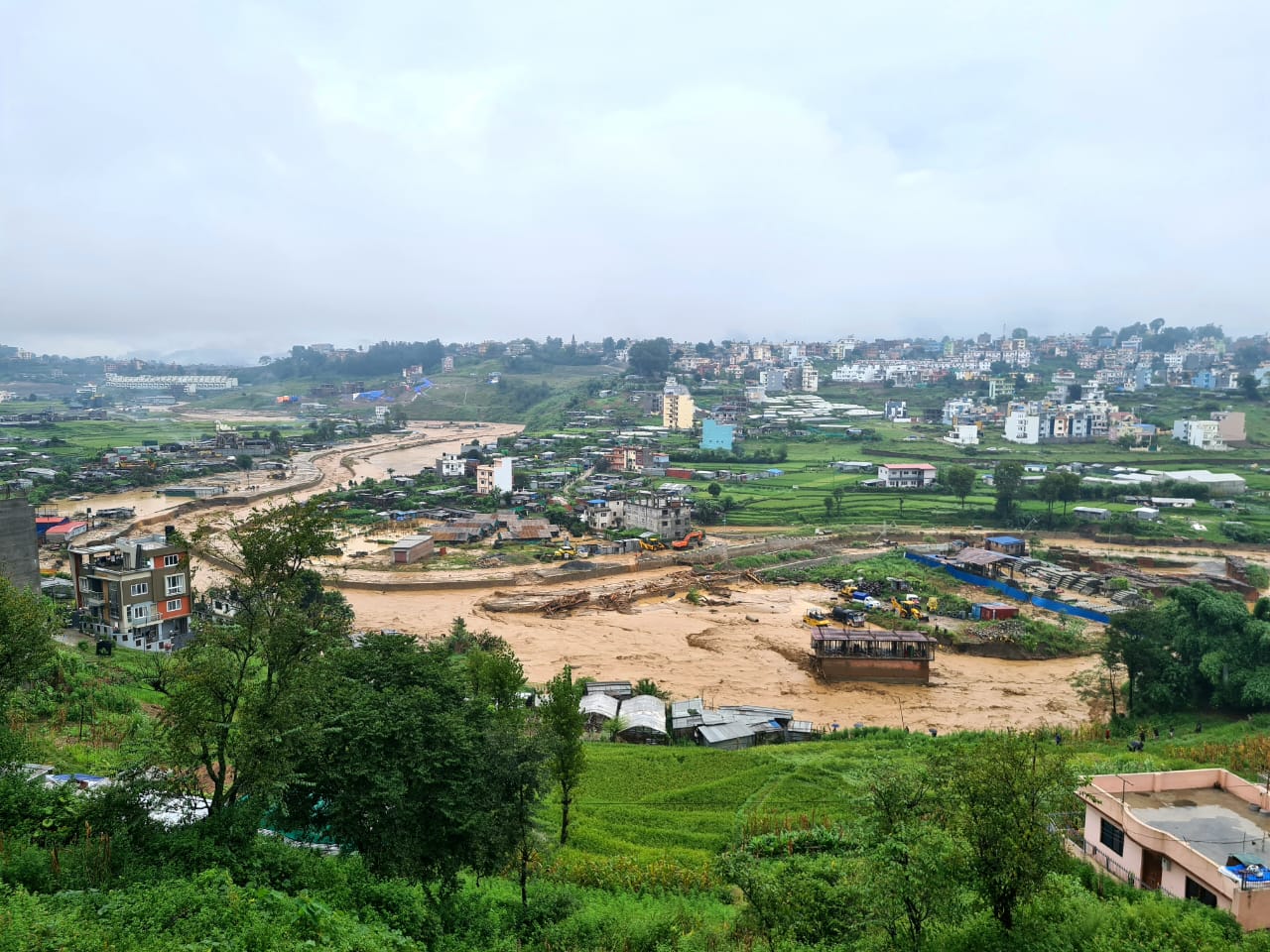
File photo: Flooding and landslides triggered by heavy monsoon rains caused widespread disruption across Nepal in 2024
PC: Dewan Rai
Nepal is likely to endure a hotter and drier-than-normal monsoon this year, heightening concerns over drought, water shortages and heat stress. Yet the risk of destructive floods and landslides remains high, as climate change makes rainfall increasingly erratic.
The International Centre for Integrated Mountain Development (ICIMOD) forecasts below-normal rainfall across much of Nepal during the June-September monsoon season, with western regions facing the greatest likelihood of deficits.
The monsoon is officially expected to arrive on June 13, although its onset varies from year to year. It typically enters eastern Nepal between late May and mid-June before spreading across the country within about a week. This year, Nepal has already received substantial pre-monsoon rainfall.
For a country heavily dependent on rain-fed agriculture, a weak monsoon carries significant risks. Paddy, Nepal's staple crop, relies largely on seasonal rains. Of the country's 3.5 million hectares of cultivable land, only about half has access to irrigation; the remainder depends on monsoon precipitation.
Yet less rain does not necessarily mean fewer disasters. Monsoon seasons routinely bring landslides and flash floods that kill hundreds of people across the Himalayan nation.
Last year, monsoon-related disasters killed around 140 people in Nepal. More than 1,000 have died in such events over the past decade.
ICIMOD warned that even a drier season could produce "short and intense periods of concentrated rainfall" capable of triggering flash floods, landslides and other weather-related disasters, particularly in mountainous areas.
The warning comes as climate change amplifies weather extremes across the Hindu Kush Himalayan region, home to some of the world's highest mountains and the headwaters of river systems that support nearly two billion people.
In Nepal, reduced rainfall and rising temperatures could affect agriculture, hydropower generation and water supplies, especially in communities dependent on rain-fed farming and mountain springs.
Despite expectations of below-average rainfall, ICIMOD urged authorities not to lower their guard. Prolonged dry spells punctuated by intense downpours could still trigger flash floods, landslides and glacial lake outburst floods, it said, calling for stronger disaster preparedness, more effective early-warning systems and robust local response plans.
The monsoon delivers around 80% of Nepal's annual rainfall and remains vital to the country's agriculture, water resources and hydropower sector. It is also the season when the deadliest floods and landslides typically occur.


